Skip to content
What is Mead? History, Myths & How Viking "Honey Wine" Was Actually Made
- by Daniel Farrand

Small-Batch Yorkshire Honey Mead
Fermented with 100% pure raw honey and pure water. No cheap syrups, no neutral spirit cuts - just living history crafted for slow savouring.
EXPLORE THE MEADERY →In modern pop culture, mead is frequently depicted as a murky, rustic brew guzzled by the bucketload in rowdy longhouses. Yet when we examine the archaeological record, saga literature, and early medieval agricultural economics, a far more sophisticated reality emerges.
Known throughout ancient folklore as the "Nectar of the Gods," mead holds the title of the oldest fermented drink in human history. But despite its legendary status, modern misconceptions are rife: What exactly is mead, what is it not, and how was it truly consumed?
THE MYTHOLOGY OF THE MEAD OF POETRY
In Norse mythology, the Mead of Poetry (Skáldskaparmjǫðr) was created by brewing honey with the blood of Kvasir, a being formed from the spit of all the gods. To drink it was to acquire the gifts of poetry, wisdom, and unmatched eloquence.
What Mead Is (and What It Isn't)
To understand mead, it helps to first clarify what it is not:
- It is NOT a spirit: Mead is a fermented beverage, never distilled. It contains no grain neutral spirits or fortification unless specifically crafted as a modern hybrid liqueur.
- It is NOT a beer or ale: Beer derives its fermentable sugars from starches found in malted grains (like barley or wheat) and is flavored with hops. Traditional mead requires no grain.
- It is NOT technically a wine (Despite the label): While frequently called "honey wine" for taxation, retail categorization, and comparable ABV levels (typically 10%–16%), true wine is fermented exclusively from grapes and other whole fruits. Mead occupies its own distinct, ancient beverage category where the sole fermentable sugar source is honey.
- It is NOT fermented sugar syrup: Authentic mead derives 100% of its fermentable sugars from natural raw honey. While some mass-market commercial brands ferment cheap grain or beet sugars and blend them with honey flavouring, true craft mead relies entirely on the pure, unadulterated nectar gathered by bees
The Chemistry of Honey Fermentation
(For an academic breakdown of early medieval brewing and Viking drinking culture, listen to our deep-dive episode with Dr. Simon Trafford on the Nordic Mythology Podcast).

In its purest form, traditional mead requires only three elements: Raw Honey, Pure Water, and Yeast.
Honey in its raw state will never ferment on its own because its moisture content is too low (typically under 18%), creating an osmotic pressure that inhibits microbial life. But once diluted with water to create the raw honey must, ambient or pitched yeasts can metabolize the natural unrefined sugars - converting them into ethanol and carbon dioxide over several weeks or months of slow maturation.
- Traditional Mead: Pure honey, water, and yeast, showcasing the floral character of the specific honey varietal.
While Traditional Mead contains only honey, water, and yeast, archaeological residue analyses from sites across Northern Europe demonstrate that historical brewers regularly incorporated foraged fruits and botanical spices:
- Melomel: Mead fermented alongside whole fruits (such as apples, blackberries, or cherries), creating a balance of rich honey and bright fruit acidity.
- Metheglin: Mead infused with botanical herbs and spices like meadowsweet, cinnamon, or cloves—historically brewed for medicinal use and cold winter feasts.
The Status Drink: Honey Was Liquid Gold
Television shows love to portray every warrior, farmer, and raider drinking mead daily from morning to dusk. In reality, **ale (*öl*) was the everyday drink of the Nordic people.**
In early medieval Scandinavia, apiculture (beekeeping) was challenging due to the harsh northern climate. Honey had to be gathered from wild woodland hives or imported at great expense from southern regions and the Baltic. As a result, honey was an exceptionally valuable luxury commodity.
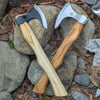
Mead was therefore **the drink of chieftains, jarls, and kings**. It was reserved for high hall hospitality, ritual oaths (*bragarfull*), seasonal blóts, and diplomatic alliances. To be offered a horn filled with pure honey mead by the lord or lady of the hall was a statement of high honour and respect. Just as the Viking bearded axe balanced hearth utility with battle prestige, mead balanced everyday sustenance with sacred ritual.
SMALL-BATCH RELEASES FROM THE HORNS OF ODIN MEADERY

Mead & Horn Gift Box
Real Traditional Mead • Real Drinking Horn • 12% ABV
£34.99

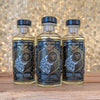
Traditional Honey Mead
Pure raw honey profile • Smooth, golden sweetness • 12% ABV
£28.00
How to Drink Mead: Savor, Don't Chug
Because authentic craft mead sits at 10% to 16% ABV, it was never designed to be sloshed down by the pint like session ale. It is meant to be sipped, shared, and savored.
- Cellar Temperature: Serve sweet traditional meads slightly cool (around 12–14°C) to open up the complex aromatics of the honey.
- Chilled for Melomels: Crisp fruit-infused meads like our Apple Melomel are exceptional when chilled (8–10°C).
- The Horn Ritual: Serving mead from a handcrafted, food-safe drinking horn honors the ancient feasting tradition—elevating a simple drink into an authentic ritual.
When resting your horn between toasts, placing it in a hand-forged iron horn stand keeps your vessel upright and your table clear.
Frequently Asked Questions About Mead
Is mead gluten-free?
Yes. Traditional mead crafted solely from raw honey, pure water, and yeast contains no grain starches, making it naturally gluten-free. Always check labels on complex modern fruited or spiced blends to ensure no grain-derived additives were used.
How long does a bottle of mead last once opened?
Unopened, high-quality mead matures gracefully for years. Once unsealed, re-cork the bottle and store it upright in the refrigerator. It will maintain its optimal flavour profile for 2 to 4 weeks.
Is mead stronger than beer or wine?
Mead typically sits between 10% and 16% ABV (our Traditional Mead sits at 12% ABV). This makes it significantly stronger than standard ale or beer (4–6% ABV) and comparable to a full-bodied red or white wine.
- Posted in:
- Honey Wine
- Living History
- Mead
- The Meadery
- Traditional Mead